
T: 051220507
E: [email protected]
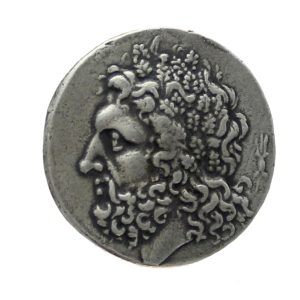
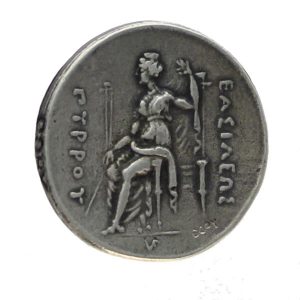
Pyrrhus, Kingdom of Epirus, Tetradrachm, 295-272 B.C.
$ 18.00
Description King Pyrrhus – Ancient Central Greece Silver Tetradrachm 295-272 B.C. Pyrrhus, widely hailed as one of antiquity’s greatest generals, spent much of his reign campaigning far beyond the borders of Epirus, leading bold expeditions into Italy, Sicily, and Macedonia Born c. 319 BC into the Aeacid dynasty, Pyrrhus first ascended the throne of Epirus in 306 BC, sharing power with his cousin Neoptolemus II. When Demetrius I of Macedon displaced him two years later, Pyrrhus spent a formative exile at the court of Ptolemy I in Egypt. There he married Ptolemy’s step-daughter Antigone, secured ships, money, and mercenaries, and returned in 297 BC to reclaim Epirus—this time ruling alone after removing Neoptolemus. From that point forward, Pyrrhus treated Epirus as a springboard for wider ambitions: Macedonia (288–284 BC): Allied with Lysimachus, he ousted Demetrius and briefly wore the Macedonian crown before being edged out by his partner-turned-rival. Italy (280–276 BC): Answering Tarentine pleas against Rome, he landed with 20 war elephants and an army of mercenaries and Epirote levies. Victories at Heraclea (280) and Asculum (279) were so costly that they coined the phrase “Pyrrhic victory.” Sicily (278–276 BC): Invited by Greek poleis to expel Carthage, he drove the Punic forces back to Lilybaeum but alienated his allies with heavy demands for ships and treasure, prompting a hasty withdrawal. Return to Italy & Epirus (275 BC): A strategic stalemate at Beneventum forced him to abandon the Italian adventure and sail home, where he regrouped and again set his sights on Macedonia. Final Macedonian-Peloponnesian Campaign (274–272 BC): He deposed Antigonus II Gonatas, then marched south to aid the Molossian League at Sparta but was killed in confused street fighting at Argos in 272 BC—struck, legend says, by a rooftop tile hurled by an Argive woman. Though his realm seldom extended beyond Epirus for long, Pyrrhus’s daring use of elephants, mobile phalanxes, and rapid marches earned him admiration from contemporaries like Hannibal, who ranked him second only to Alexander the Great. His restless reign reshaped Hellenistic power politics and bequeathed to history the cautionary tale of victories won at ruinous cost. Obverse: Head of Zeus Dodonaios Reverse: Dione enthroned holding long sceptre Diameter: 28 mm Material: Silver-plated fine lead-free metal. Made by us in the USA Packaged in a coin collecting flip with the description of the coin printed on the flip insert.