
T: 051220507
E: [email protected]
Philip I Philadelphus, AR Tetradrachm
$ 18.00
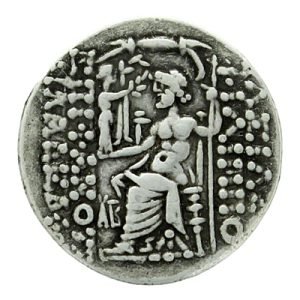
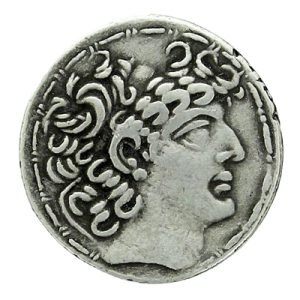
Description Philip I Epiphanes Philadelphus (“Manifest, Brother-Loving”) was one of the last Seleucid monarchs, ruling parts of Syria between 94 BC and either 83 or 75 BC. Born between 124 and 109 BC to King Antiochus VIII Grypus and the Ptolemaic princess Tryphaena, he was apparently the twin of Antiochus XI. His childhood unfolded amid the long civil war that pitted his father against his uncle Antiochus IX, leaving the dynasty fractured and the kingdom bankrupt. Wikipedia Rise amid dynastic chaos. When the eldest brother, Seleucus VI, was killed in Cilicia in 94 BC, Philip and Antiochus XI took up arms to avenge him. They briefly ousted their cousin-rival Antiochus X from Antioch. Still, the counter-attack of Antiochus X cost Antiochus XI his life, leaving Philip to fight on from a Cilician base. Over the next decade, he contended with two more brothers—Demetrius III at Damascus and Antiochus XII—and with recurring incursions from the Parthians, Nabataeans, and Armenians. Wikipedia A cash-strapped reign Philip’s authority rarely reached beyond northern Syria and coastal Cilicia. To pay soldiers, he refinanced the treasury by recoining earlier issues at a slightly reduced weight, then striking silver tetradrachms bearing his youthful, diademed portrait and the legend ΒΑΣΙΛΕΩΣ ΦΙΛΙΠΠΟΥ ΕΠΙΦΑΝΟΥΣ ΦΙΛΑΔΕΛΦΟΥ. Translation: (Glorious King Philip, friend of his brother). The reverse shows Zeus Nikephoros enthroned with Victory in his outstretched hand—a traditional Seleucid image of divine sanction—and often carries mint-control monograms. NumistaCoincraft Disappearance and eclipse After a failed siege of Damascus, he vanishes from the written record. By 83 BC (some sources say 75 BC) the people of Antioch, weary of civil war, invited the Armenian king Tigranes II to assume control. Philip’s minor son, Philip II Philoromaeus, made a last, short-lived claim to the throne, but real Seleucid rule in Syria was effectively over. Wikipedia Legacy for historians and numismatists Although his political impact was limited, Philip I’s coins mark the final flowering of Seleucid artistry, characterized by high-relief portraits, compact flans, and sharply engraved Zeus reverses. For collectors, they illustrate how late Hellenistic kings leveraged iconography, epithets (“Epiphanes” stressing divine favor; “Philadelphus” advertising loyalty to his slain twin), and carefully weighted silver issues to project legitimacy even as their realm crumbled. Today, these tetradrachms are prized artifacts of the Seleucid twilight and a cautionary memento of dynastic fragmentation in the Hellenistic Near East. Diameter: 27 mm Replica Coin Silver-plated, lead-free. Made in the USA