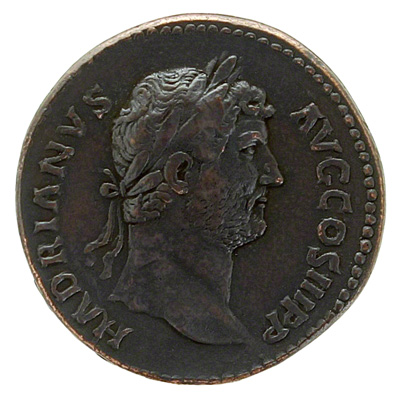
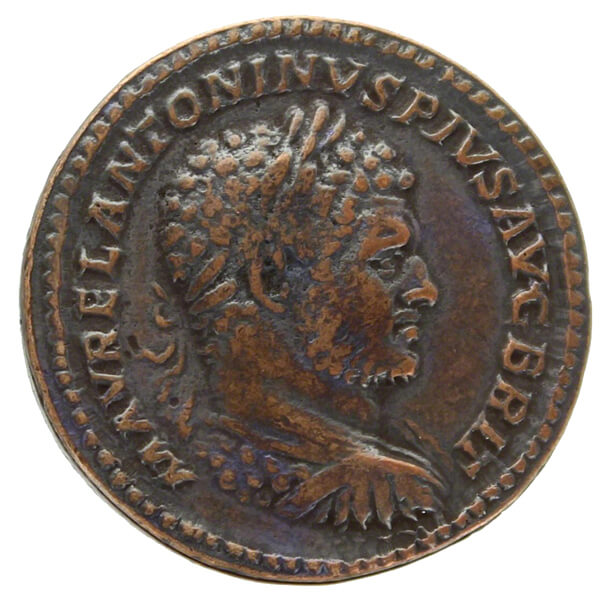
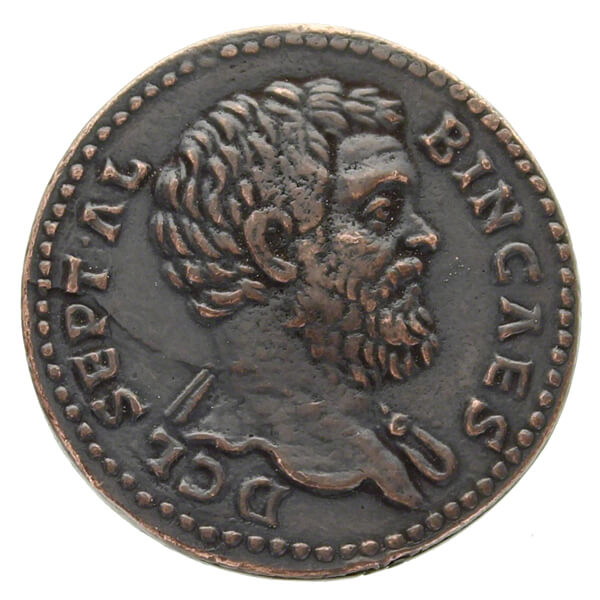
Hadrian / Britannia 117-138 AD, Roman Imperial Sestertius
$11.56
$19.88
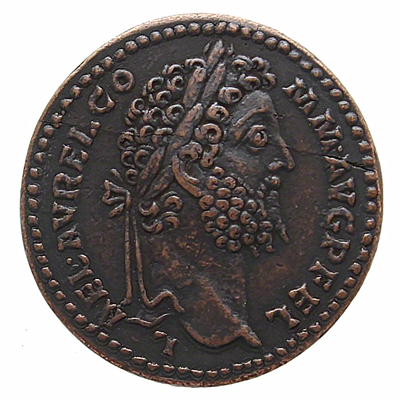
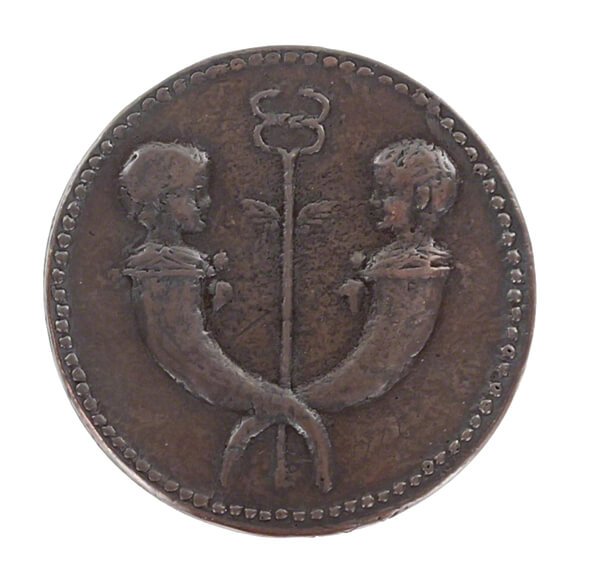
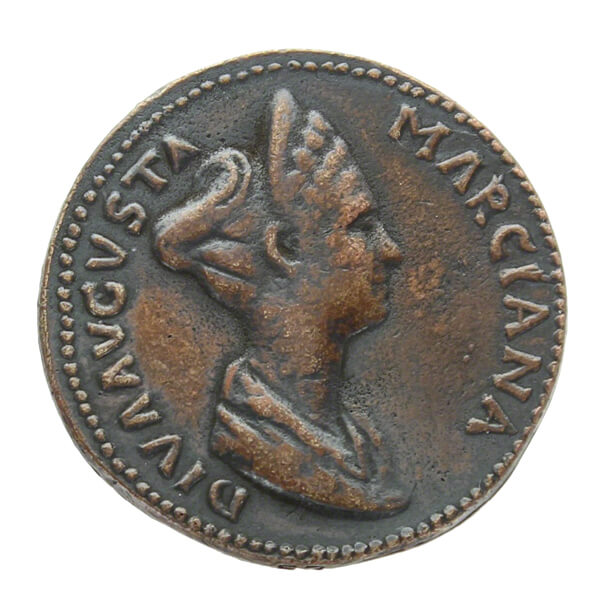
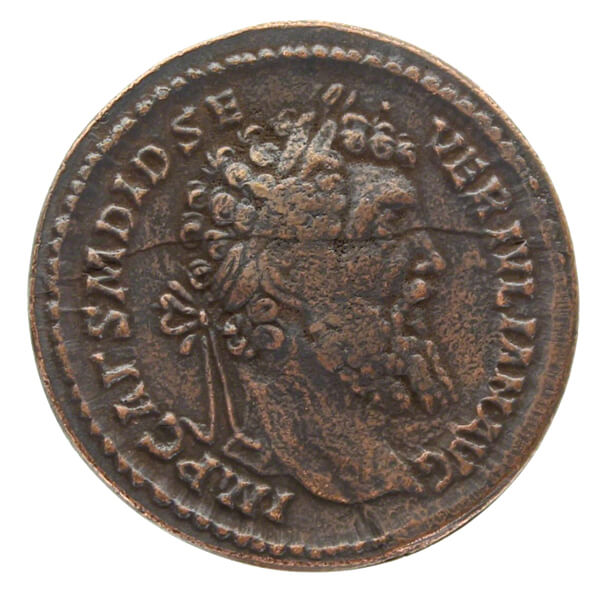
Description Hadrian (Publius Aelius Hadrianus, r. AD 117 – 138) was one of the ‘Five Good Emperors‘ of the Roman Empire Early Life & Rise Born 76 AD in Italica (near modern Seville, Spain), a Romanized provincial of senatorial rank. Cousin and protégé of Emperor Trajan; after distinguished military and administrative posts, he was adopted by the ailing Trajan and named his successor moments before Trajan’s death. Reign Highlights Strategic Consolidation Abandoned Trajan’s over-extended conquests east of the Euphrates, stabilizing the imperial frontier. Systematically toured the provinces—an unprecedented 20-year circuit—to inspect legions, audit finances, and promote loyalty. Monumental Architecture Commissioned Hadrian’s Wall (c. 122 AD) spanning 73 miles across northern Britain, defining the empire’s limit. Rebuilt the fire-damaged Pantheon in Rome with its revolutionary domed rotunda; created the sprawling Villa Adriana at Tivoli; initiated the massive Temple of Venus and Roma. Hellenism & Culture A passionate admirer of Greek art and philosophy, he styled himself a new Pericles, promoting Hellenic culture across the empire. Founded cities (e.g., Hadrianopolis), endowed Athens with grand civic buildings, and chaired the Panhellenion league to celebrate Greek identity. Legal & Administrative Reform Codified and professionalized the imperial bureaucracy; issued the Perpetual Edict, streamlining Roman law. Improved soldiers’ conditions and introduced merit-based promotion, boosting army morale. Challenges & Conflict Faced the fierce Bar Kokhba Revolt (132-135 AD) in Judaea; its suppression was brutal and led to the province’s renaming as Syria Palaestina. Personal grief over the drowning of his companion Antinous (130 AD) inspired the widespread cult of Antinous, unique for a deified commoner. Succession & Legacy With no surviving sons, Hadrian adopted Titus Aurelius Fulvus Boionius Arrius Antoninus (Antoninus Pius) on the condition that he adopt Marcus Aurelius and Lucius Verus, thereby ensuring a peaceful dynastic succession. Died at Baiae in 138 AD, leaving an empire internally secure, financially sound, and embellished with enduring landmarks. Remembered as a tireless traveler, enlightened patron of the arts, and pragmatic ruler who shifted Rome’s focus from expansion to consolidation, shaping the empire’s “golden century” that followed. This museum-quality coin reproduction of Ancient Roman Coinage is an exact copy of the coin held in the British Museum (BMC 1723). Coin Details: Obverse: HADRIANVS AVG COS III PP, laureate head right Reverse: BRITANNIA, Britannia seated slightly left, head facing and resting on the right hand; spear over left arm; foot on rocks; round shield to the right; SC in ex. Diameter: 33 mm Extremely rare. Made in the USA Packaged in a coin collecting flip with the description of the coin printed on the flip insert.